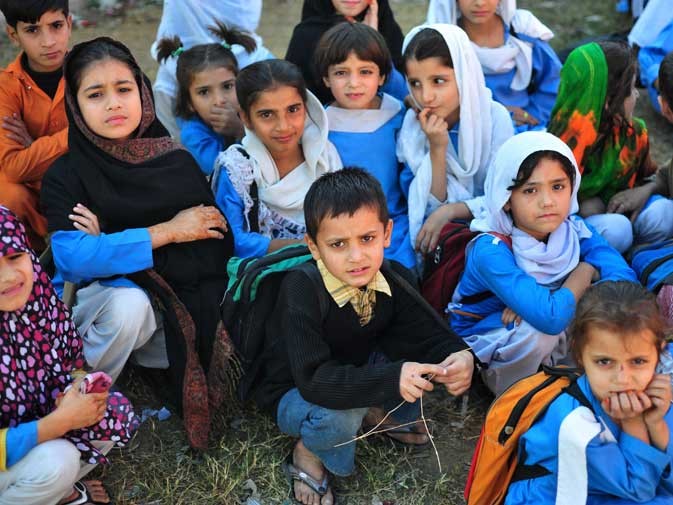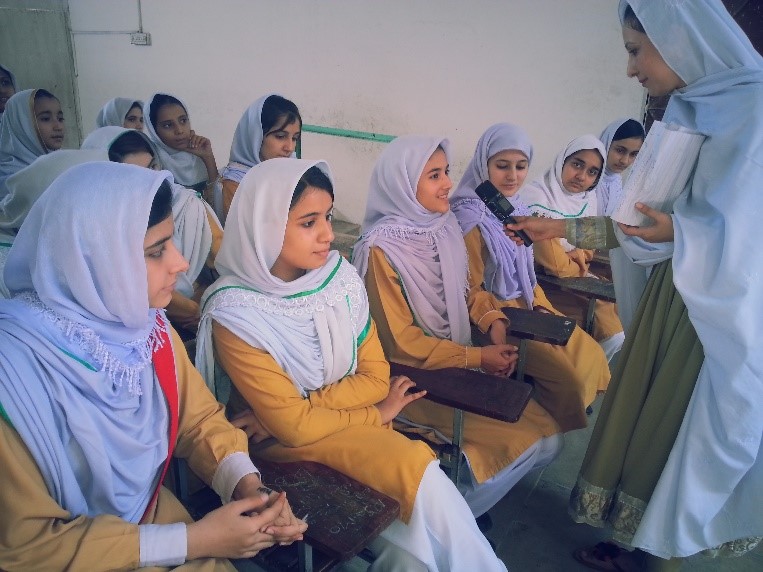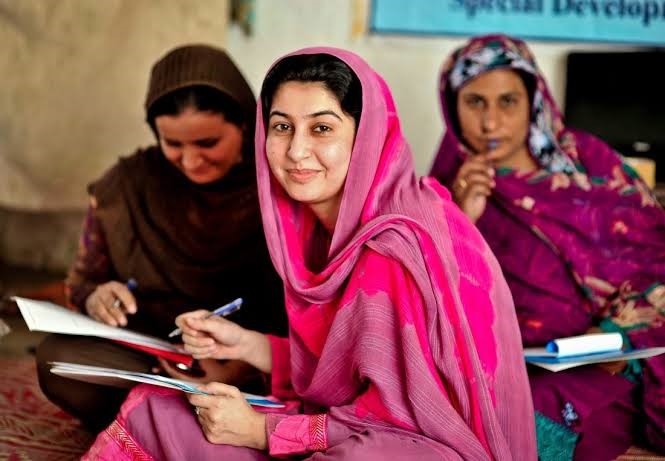
Women's empowerment may be characterized as boosting women's self-esteem, ability to make their own decisions, and right to influence societal change for themselves and others. It is directly related to female empowerment, which is a fundamental human right that is also critical to establishing a more peaceful and prosperous world. Women empowerment is frequently connected in Western nations with distinct historical stages of the women's rights movement. This movement is typically divided into three waves, with the first commencing in the late nineteenth and early twentieth centuries, when suffrage was a prominent component. The sexual revolution and the position of women in society were part of the 1960s' second wave. Third wave feminism is commonly regarded as having begun in the 1990s.
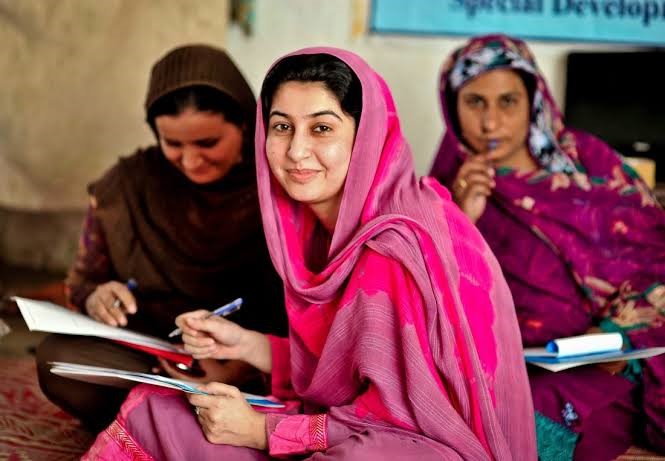
Women's empowerment and the promotion of women's rights have arisen as part of a broad worldwide movement that has continued to break new ground in recent years. Days like International Women's Empowerment Day are also gaining popularity. Despite significant advances, women and girls continue to confront prejudice and violence in every area of the world. Women's empowerment is important for the health and socioeconomic development of families, communities, and countries. Women may realise their greatest potential when they lead lives that are safe, fulfilling, and productive. They may contribute their abilities to the workforce while also raising happier and healthier children. They can also help power sustainable economies while benefiting society and humankind at large.
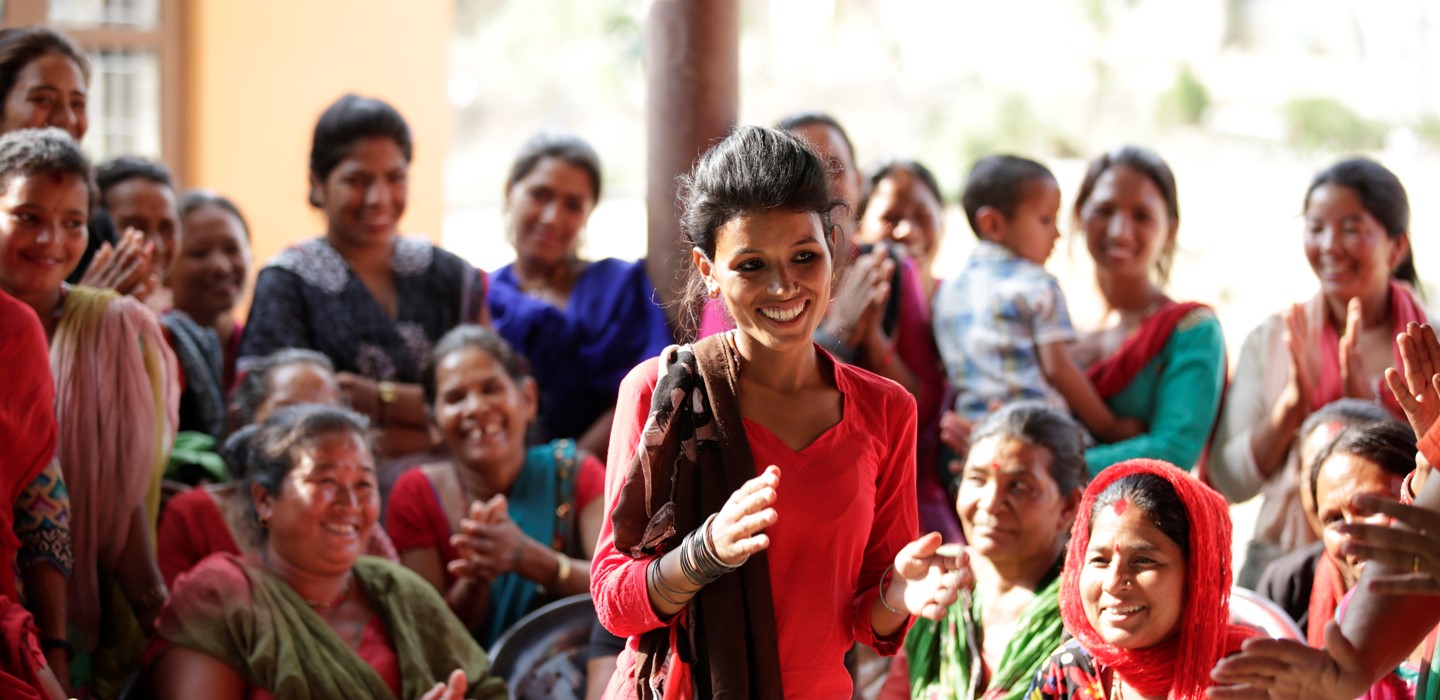
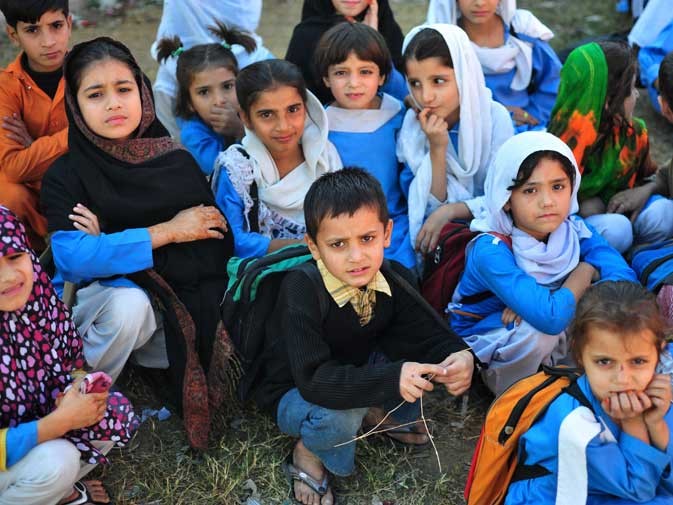
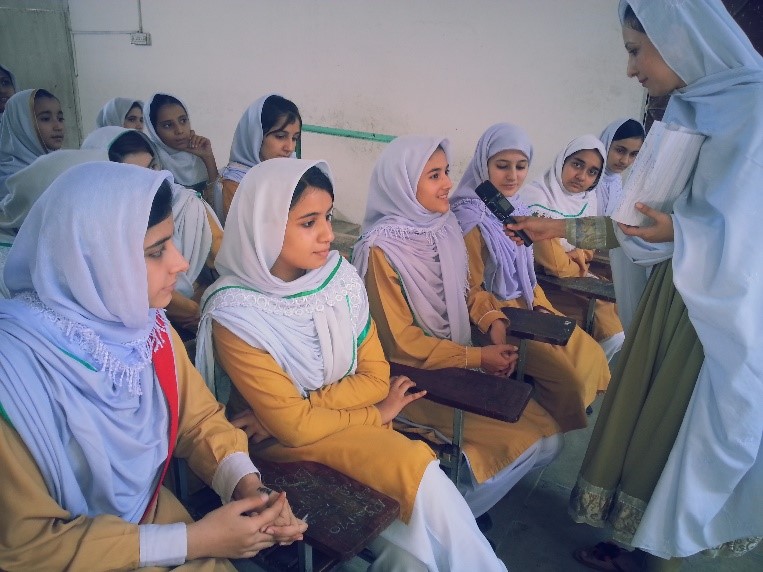
Gender equality is a fundamental human right, as well as a prerequisite for a peaceful and successful society. However, girls and women continue to confront severe obstacles globally. Women are often underrepresented in positions of authority and decision-making. They are paid unequally for equal labour, and they frequently encounter legal and other restrictions that limit their employment options. Girls and women are frequently regarded as less valued than males in poor countries. Instead of being sent to school, they are sometimes forced to do domestic chores at home or are married off for a dowry before they reach the age of majority. Every year, up to 12 million teenage females marry. While considerable progress has been made in certain regions of the world, there is still more work to be done to address the issues of gender inequality. Education is an important component of this empowerment. Girls who are educated can later in life pursue meaningful job and contribute to their country's economy. When they have eight years of schooling, they are also four times less likely to marry young, implying that they and their families are healthier.
We believe that healthy, educated, and empowered women and girls can be change agents of future. When women and girls are supported, they have more opportunity to fight for their rights and for their communities. They can also advance in social position, which they can pass on to future generations. This implies that women's organizations, empowerment initiatives, and charities for women may acquire traction and contribute to a better society.
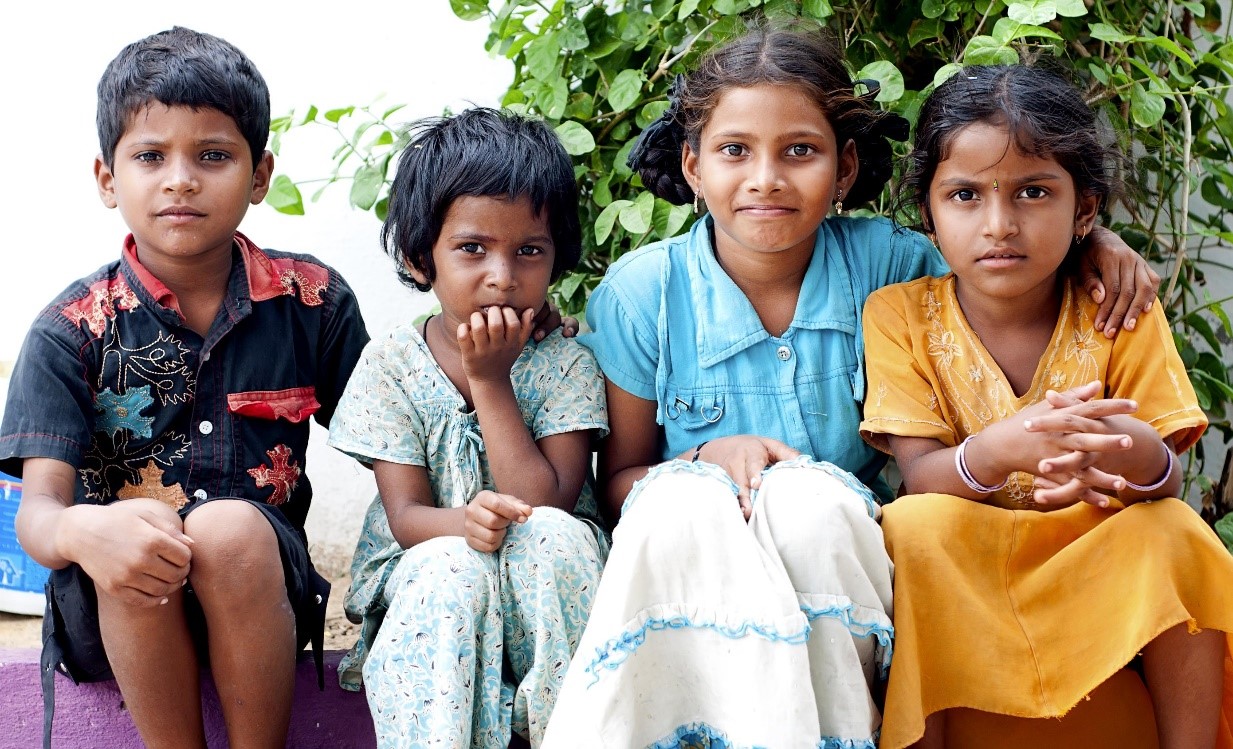
For over 15 years, generous Indians' gifts have made a meaningful impact for disadvantaged individuals living in difficult conditions across India and here at home. Thousands of individuals have been helped to establish a self-sustaining future full of opportunities, via everything from emergency aid in times of crisis to community-led programmes and advocacy activities. The lives of children, their families, and communities have been transformed via evidence-based development programmes and best practices acquired during decades of work, as well as frequent donations by sponsors.
Incorporating a bequest to Raah-e-Najaat into your Will is a powerful method to effect long-term change for the world's most vulnerable children. Generous Will supporters make a difference in children's lives by giving access to the most basic essentials of life, such as food, water, education, healthcare, and protection - basics that every kid deserves. Bequests to Raah-e-Najaat provide a life-changing legacy that can help improve the globe for future generations. Your bequest can be used to assist Raah-e-Najaat projects both abroad and in First Nations communities in India, with the funds going to the children and communities who need it the most. To learn more about leaving a gift in your Will, please contact our Bequests Team.
Contact us at info@raah-e-Najaat.com. | raah-e-najaat@yahoohotmail.com
You may reach us at +91 7671993991.
Please visit us at www.raah-e-najaat.com.
By leaving a bequest to Raah-e-Najaat, you will be strengthening the ordinary marginalized population in India by assisting vulnerable children all over the world. Your bequest will be used to support long-term, but finite, projects aimed at providing communities with the resources they need to ensure their children have a complete life. This involves developing the skills and expertise of local leaders and community organizations so that they can continue the progress began by your assistance to initiate long-term development as Raah-e-Najaat marches forward.
Our work is mostly made possible by the generosity of Indians. We rely on individuals like you to give to our programmes and appeals so that we may deliver essential short- and long-term assistance to people all across the world.
Making a donation is the ultimate sign of solidarity. Action speaks louder than words.
Donate Now