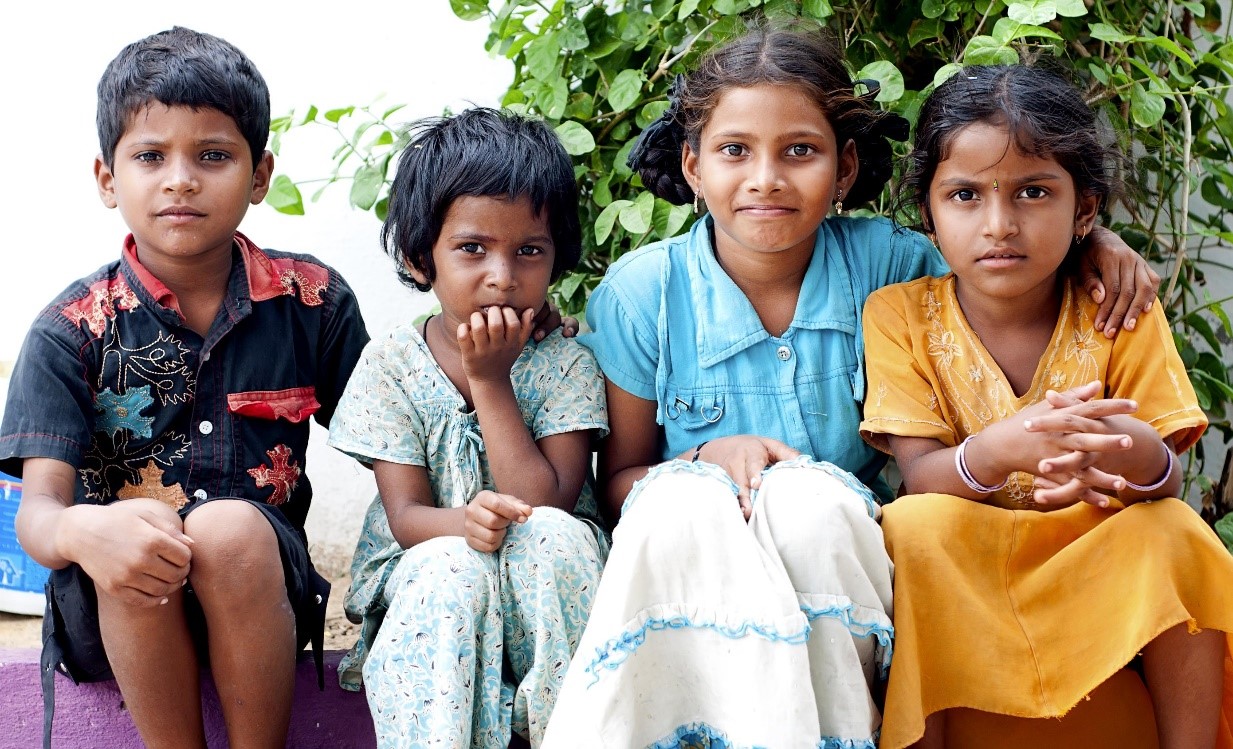
Families can be destabilized by sociopolitical and economic factors. We strive to improve the capacity of these vulnerable families to achieve economic and social empowerment via our community outreach programme, and we focus on a comprehensive sustainable development strategy that tackles the core reasons of child abandonment. Our Childhood Strengthening Initiative encourages us in keeping biological families together and has an impact on the lives of almost 25000 children in 10 locations. Families in distress or enduring significant challenges may struggle to provide proper care for their children, which can often lead to child abandonment.
The Childhood Strengthening Initiative (CSI) is a preventive approach in which families from the most vulnerable parts of society are reinforced to avoid child abandonment. These families are lost in the quagmire of poverty, social prejudice, and many other problems to make ends meet. Such families are frequently below the poverty line and are locked in a vicious circle of economic, social, and cultural deprivation.
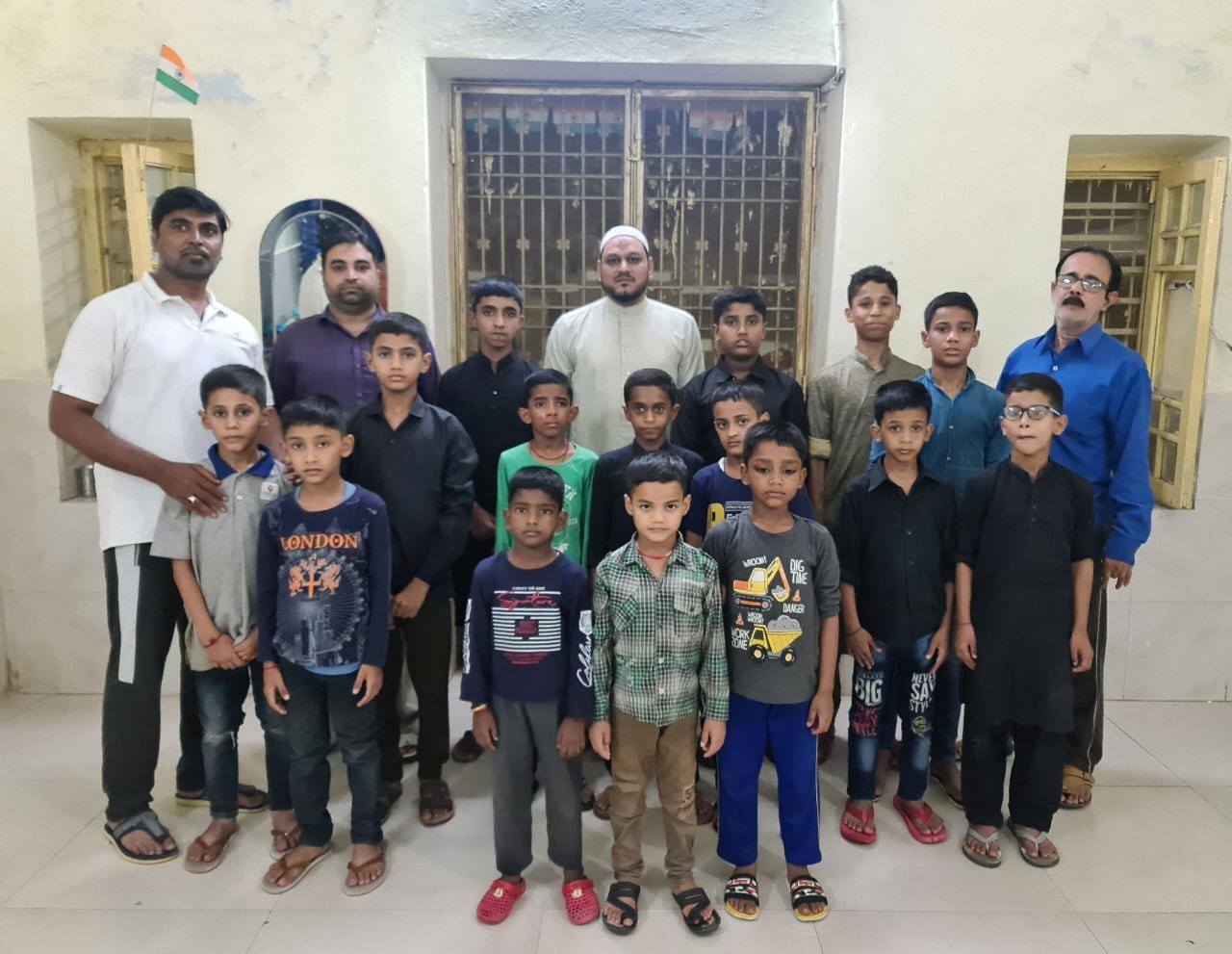
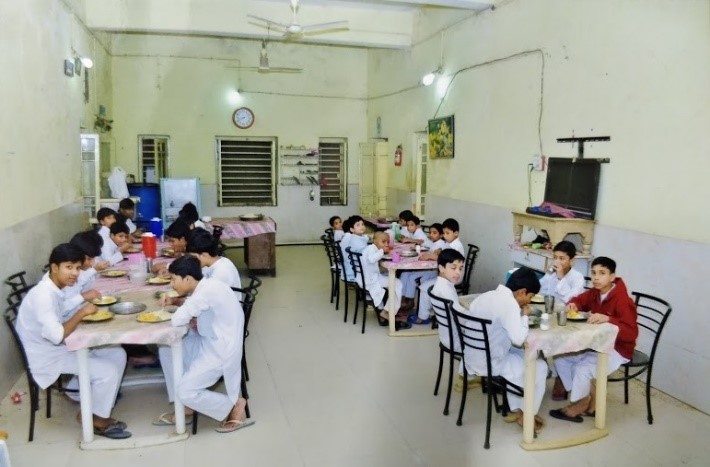
Raah-e-Najaat works with families and communities to assist them strengthen their capacity so that children are cared for, and their general development is not impaired, lowering the likelihood of abandonment. CSI interventions range from providing essential services to orphanage houses where orphan children live. Raah-e-Najaat also supports orphan families in marginalised communities with education, health and nutrition services, livelihoods for families, and capacity building of caregivers and children to become self-sufficient.
A secure, supportive environment is the cornerstone for a child's healthy growth. Unfortunately, not every youngster has this privilege. Without the stability of a family, a kid is more likely to suffer from starvation, violence, exploitation, and other life-threatening events. A CHILD'S overall growth is best achieved in a loving household.
Raah-e-Najaat has dedicated to providing a caring home to every youngster who does not have parental care. Raah-e-Najaat's family Like Care Programme offers a novel and personalized care model for children who have lost a family, allowing them to grow up in a Raah-e-Najaat family home with love, respect, and security, and fulfil their full potential.
Children grow up as brothers and sisters under the supervision of a qualified caregiver. The long-term link contributes to the overall development of these children; the transition from early childhood to adulthood allows them to become self-sufficient, employable, and contributing members of society.
Sponsor a kid to help us guarantee that children receive all-round growth, including education, nutrition, health, and psychological development, until they are settled via an employment or marriage
Child sponsorship is the virtual adoption of a poor child residing in an orphanage home in India. You will play an important role in the child's growth and will contribute to his or her overall well-being. If you sponsor a kid in an orphanage home, you will receive frequent updates such as photographs, progress reports, and translated letters from the child. Your money will be used on things like education, health, security, and infrastructure. By sponsoring a child, you provide his or her childhood a fresh start, an opportunity to study, and family-like care and protection until they reach adulthood.
School Fees
Tuition Fees
Books & Stationary
Monthly Rs. 1,000 (Per Child)
Annually Rs. 12,000 (Per Child)
Breakfast
Lunch & Dinner
Other Food Supply
Monthly Rs. 3,500 (Per Child)
Quarterly Rs. 10,500 (Per Child)
Periodic Check-ups
Dental & General
ENT & Health Check-ups
Monthly Rs. 500 (Per Child)
Quarterly Rs. 2,500 (Per Child)
Making a donation is the ultimate sign of solidarity. Action speaks louder than words.
believe that children can change the world when given the support they need to thrive! We work to find the world’s most vulnerable children and provide them with proper physical, mental, and emotional support. When orphaned and at-risk children have their needs met, they are more likely to become happy, healthy, and capable adults. This in turn creates societies with reduced poverty, reduced crime, and stronger families.