Raah-e-Najaat recognises that the complex difficulties confronting modern India can only be handled when the state, civic society, people, and corporations’ band together and collaborate. A broad lens strategy that includes many more partners has become essential for avoiding failures and increasing the likelihood of success. The calls to increase the effect of poverty reduction and social inclusion programmes by leveraging the efforts and capacities of all stakeholders are becoming louder, and Raah-e-Najaat is striving to reach this aim through collaborations.
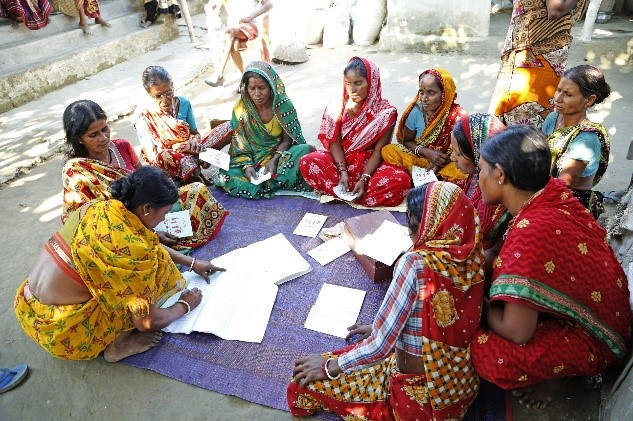
We intend to empower women and girls from marginalised areas, resulting in long-term beneficial improvements in their lives and livelihoods. The corporate sector's cooperation is critical to achieving our vision and goal. Our experience in developing sustainable solution-based models is in line with your CSR objectives.
Read MoreWe intend to empower women and girls from marginalised areas, resulting in long-term beneficial improvements in their lives and livelihoods. The corporate sector's cooperation is critical to achieving our vision and goal. Our experience in developing sustainable solution-based models is in line with your CSR objectives.
Read MoreThe necessity of skilling in India was only realised in the last two decades or so, when the 'Skill India Mission' became publicly publicised. In addition, the Companies Act of 2013 required firms to spend on social purposes as specified by the Act. Thus, the surge of money for skilling in India was significant and constant.
Training provided by industry: When those who need the talents engage in developing them for their own use, the best-developed talent emerges. The industry must take the lead in developing a talent pipeline for their industry by supporting curriculum, providing infrastructure, and developing a trainer pool. This is not to say that this external training is a replacement for the post-hiring training that most industries provide to new employees. The distinction would be in broadening the skill pool by generating additional resources that can be used in the area. Thus, training should concentrate on the essential abilities required for an untrained person to go to the selection stage and prepare him to learn on the job. Skilling programmes are administered in isolation by non-governmental organisations (NGOs) that are supported by corporations that serve solely as contributors. The NGO creates content and trains people. Recruiters frequently do not recognise these programmes. An industry-led programme implies that firms spend in developing a talent pipeline for their own consumption; when this occurs, the quality of training and, consequently, employment results improve.