Our Work
Education Help
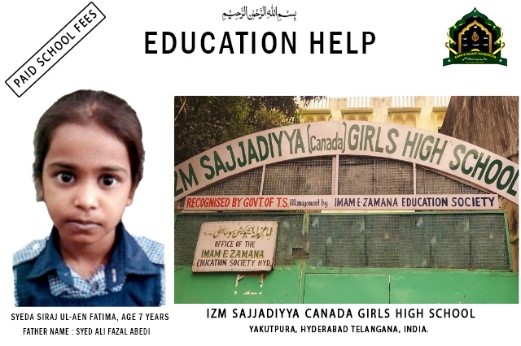
Raah-e-Najaat Foundation’s Support for Syed Siraj-ul-Aen Fatima
Education is the most powerful tool for change, yet for many families, the cost of schooling remains a significant hurdle. The Raah-e-Najaat Foundation has once again demonstrated its com
Read More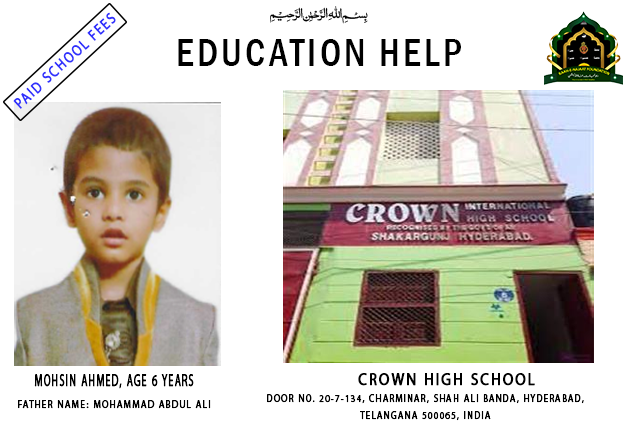
Education Help
Raah-e-Najaat Foundation continues to break down the barriers to education for children from underprivileged backgrounds
In the heart of Hyderabad, the Raah-e-Najaat Foundation continues to break down the barriers to education for children from underprivileged backgrounds. For Mohammed Abdul Ali, the dream of p
Read More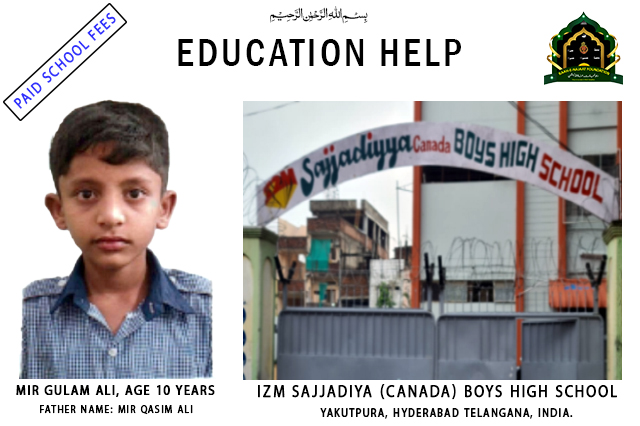
Education Help
Education is a powerful journey of discovery and growth
For ten-year-old Mir Ghulam Ali, son of Mir Qasim Ali, education is a powerful journey of discovery and growth. This path has been made possible through the vital support of the Raah-E-Najaat Foun
Read More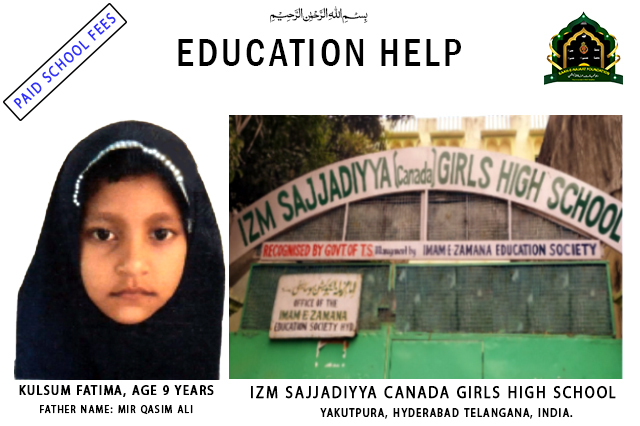
Education Help
Education is a shining route that leads to a world of opportunities
For nine-year-old Kulsum Fatima, daughter of Mir Qasim Ali, education is a bright path leading to a world of possibilities. This journey is made possible through the wonderful support of the Raah-
Read More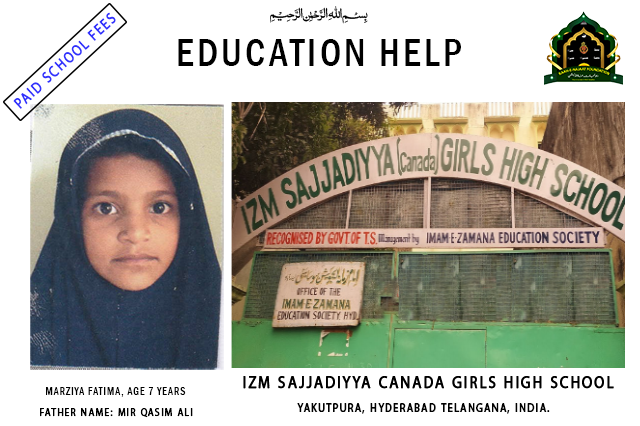
Education Help
Education is a vibrant journey of discovery
For seven-year-old Marziya Fatima, daughter of Mir Qasim Ali, education is a vibrant journey of discovery. This path has been paved by the Raah-E-Najaat Foundation, which has generously taken on t
Read More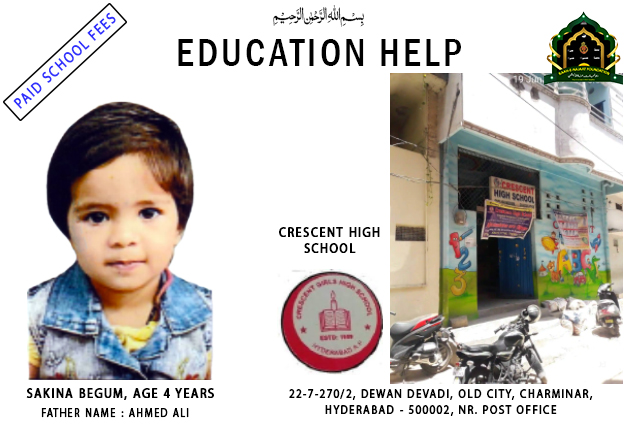
Education Help
The early years of schooling represent a world of wonder and possibility
For five-year-old Sakina Begum, daughter of Ahmad Ali, the early years of schooling represent a world of wonder and possibility. However, when her family encountered a period of severe financial h
Read More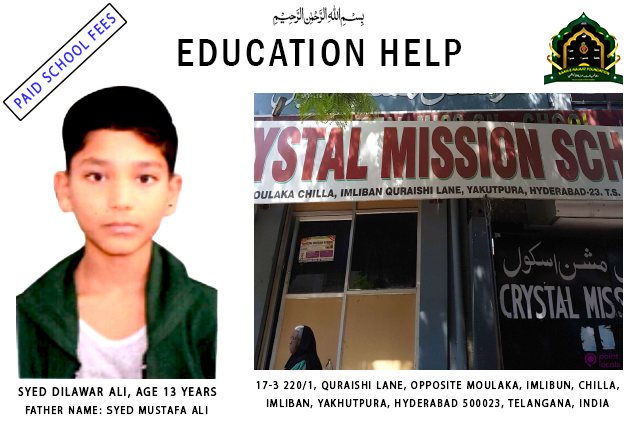
Education Help
Raah-e-Najaat Foundation proving that no child should be deprived of learning due to financial constraints
In the journey of life, some challenges test our strength early on. For Syed Dilawar Ali, a bright 13-year-old student and the son of Syed Mustafa Ali, one such challenge arose when his family fac
Read More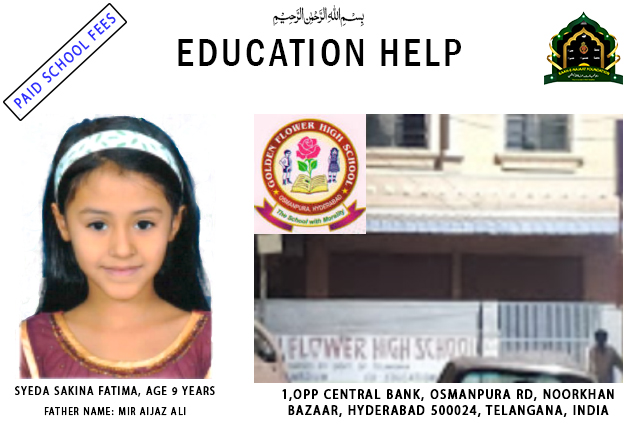
Education Help
Education fosters curiosity, transforming opportunities into practical skills.
For nine-year-old Sayeda Sakina Fatima, daughter of Mir Aijaz Ali, education is a bright doorway to a world of endless possibilities. This journey is made possible through the invaluable support o
Read More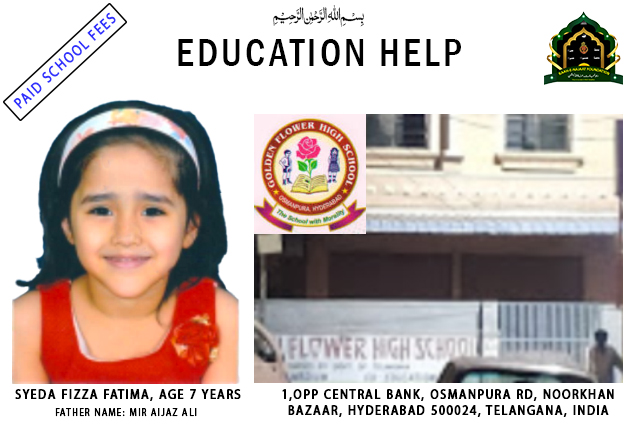
Education Help
Education is an enlightening and pleasurable expedition of exploration.
For seven-year-old Sayeda Fizza Fatima, daughter of Mir Aijaz Ali, education is a bright and joyful journey of discovery. This path has been made possible through the wonderful support of the Raah
Read More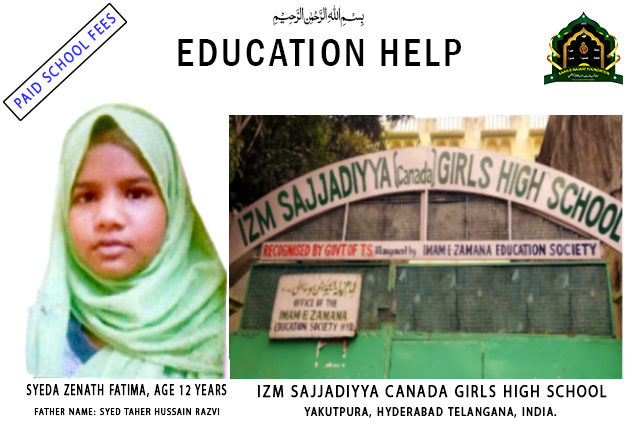
Education Help
Education is the doorway to a world of infinite possibilities
For twelve-year-old Sayeda Zeenath Fatima, daughter of Syed Taher Hussain Razvi, education is the bridge to a world of endless possibilities. This journey is made possible through the vital suppor
Read More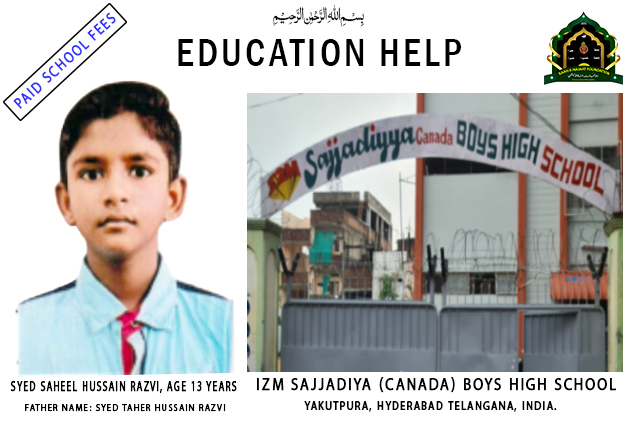
Education Help
Education becomes the foundation for his future independence
At thirteen, Syed Saheel Hussain Razvi, son of Syed Taher Hussain Razvi, is at a defining stage where education becomes the foundation for his future independence. This journey is made possible th
Read More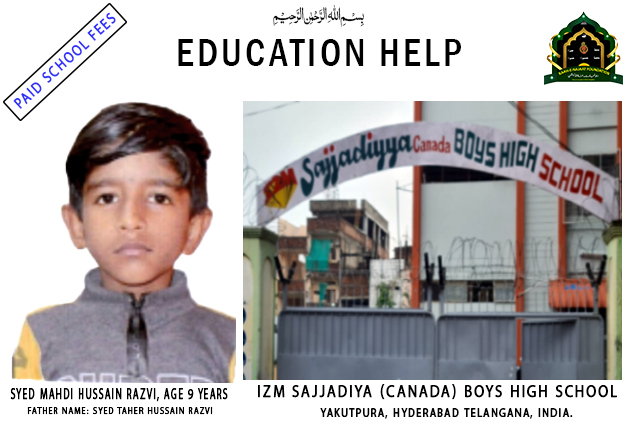
Education Help
Education is a powerful engine for growth and discovery
For nine-year-old Syed Mahdi Hussain Razvi, son of Syed Taher Hussain Razvi, education is a powerful engine for growth and discovery. This journey is made possible through the vital support of the
Read More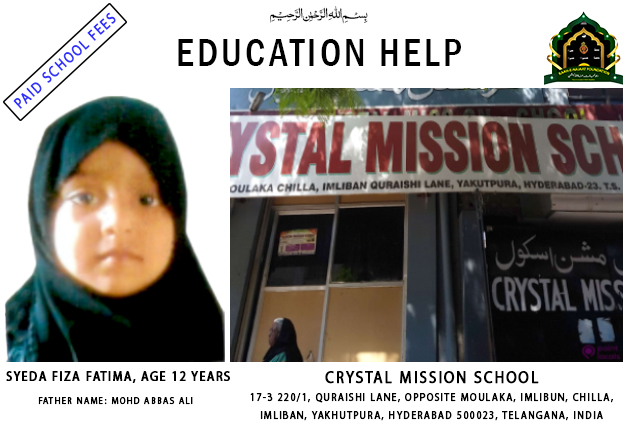
Education Help
Education is the most powerful tool she possesses to build a successful future
For twelve-year-old Syeda Fizza Fatima, daughter of Mohd Abbas Ali, education is the most powerful tool she possesses to build a successful future. This journey is made possible by the Raah-E-Naja
Read More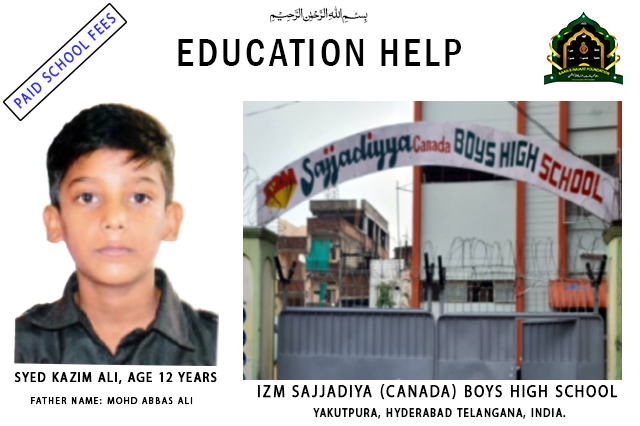
Education Help
Education is building the analytical and problem-solving skills
For twelve-year-old Syed Kazim Ali, son of Mohd Abbas Ali, education is the bridge between his childhood curiosity and his future ambitions. This journey is made possible through the dedicated sup
Read More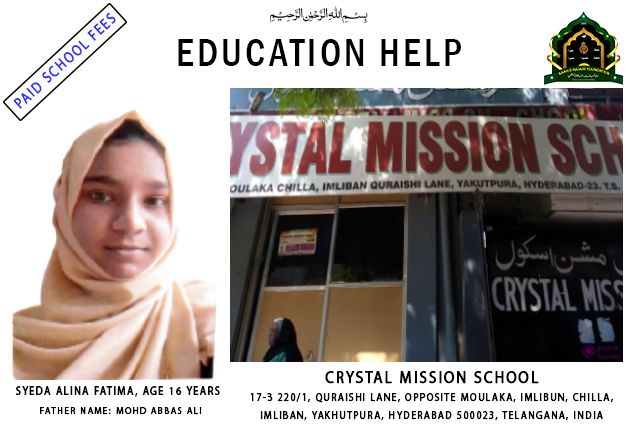
Education Help
Education is a platform to find her voice and develop the critical thinking skills
At fourteen, Syeda Alina Fatima, daughter of Mohd Abbas Ali, is at a defining age where education becomes the ultimate tool for independence and self-discovery. This vital journey is made possible
Read More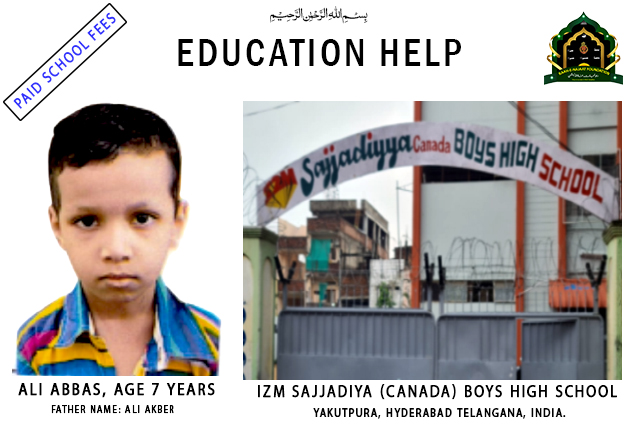
Education Help
Education is path to a very bright future
Education is a wonderful adventure for seven-year-old Ali Abbas, son of Akber Ali. At this young age, school is a place of discovery where every lesson feels like a new secret revealed about the w
Read More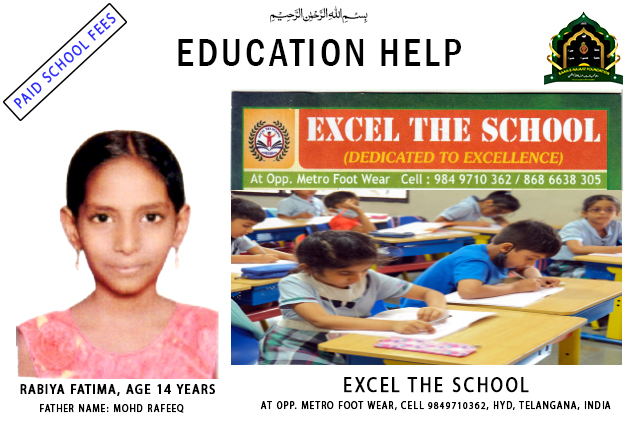
Education Help
School is more than just a classroom
At fourteen, Rabiya Begum is at a defining moment in her life where education becomes the ultimate tool for independence. This journey is made possible through the vital support of the Raah-E
Read More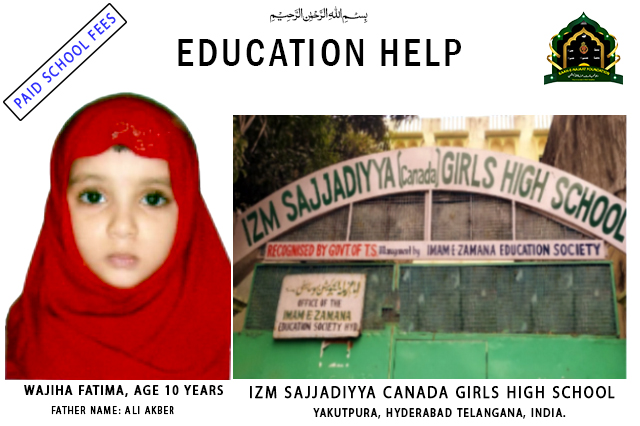
Education Help
Education can teaches her the value of community and the importance of perseverance
Education is a life-changing opportunity, and for ten-year-old Wajiha Fatima, daughter of Akber Ali, it is the key to a future filled with hope. This journey is made possible through the vital sup
Read More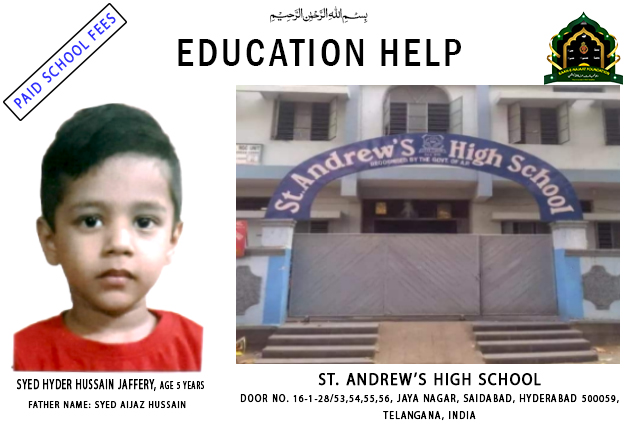
Education Help
Education is the key to explore the wonders of the world
For Syed Hyder Hussain, at just five years old, the world is full of wonder, and education is the key to exploring it. This journey has been made possible through the generous support of the Raah-
Read More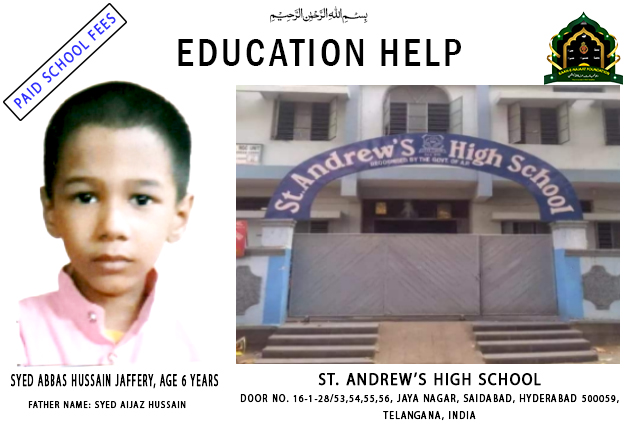
Education Help
Education is a wonderful doorway to a world of discovery
For seven-year-old Sayed Abbas Hussain Jafferi, education is a wonderful doorway to a world of discovery. This journey is made possible through the generous support of the Raah-E-Najaat Foundation
Read More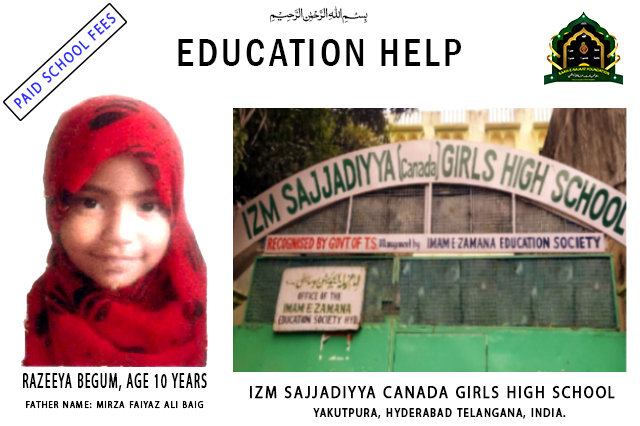
Education Help
Education is the key to a future filled with hope and opportunity
For Rezeeya Begum, a ten-year-old girl with big dreams, education is the doorway to a world of opportunity. This journey is made possible by the Raah-E-Najaat Foundation, which has generously take
Read More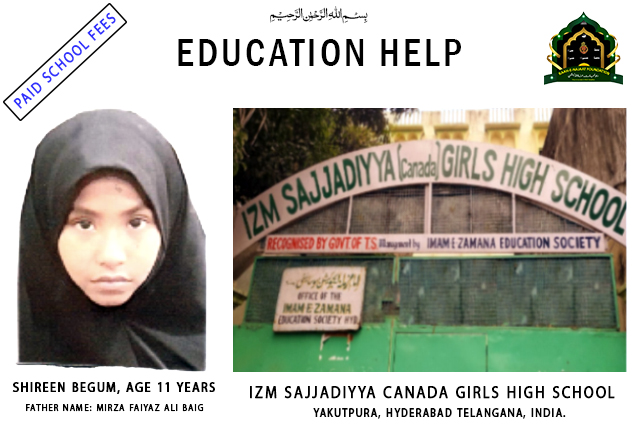
Education Help
Education is a life-changing journey
Education is a life-changing journey, and for an eleven-year-old girl like Shireen Begu, it is the key to a future filled with hope and opportunity. This journey has been made possible through the
Read More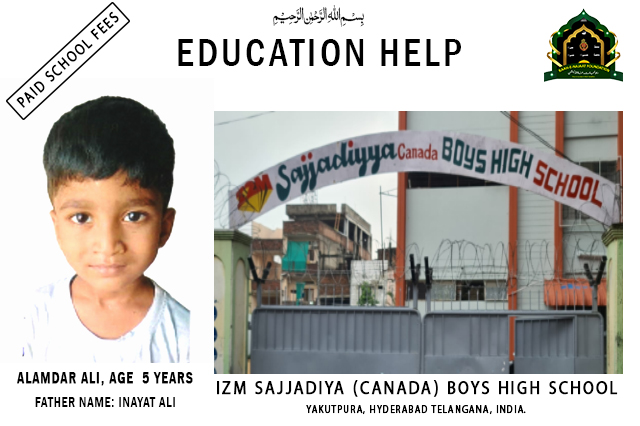
Education Help
Education is the beginning of a lifelong adventure
For a bright five-year-old boy like Alamdar Ali, education is the beginning of a lifelong adventure. This journey has been made possible through the wonderful support of the Raah-E-Najaat Foundati
Read More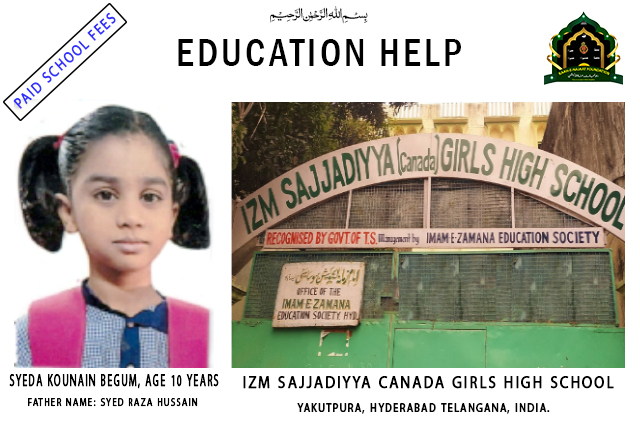
Education Help
The education of minors is crucial in their lives
Educating minor girls is a fundamental human right and a powerful catalyst for societal development, as it fosters self-reliance, breaks cycles of poverty, and improves health outcomes. By providi
Read More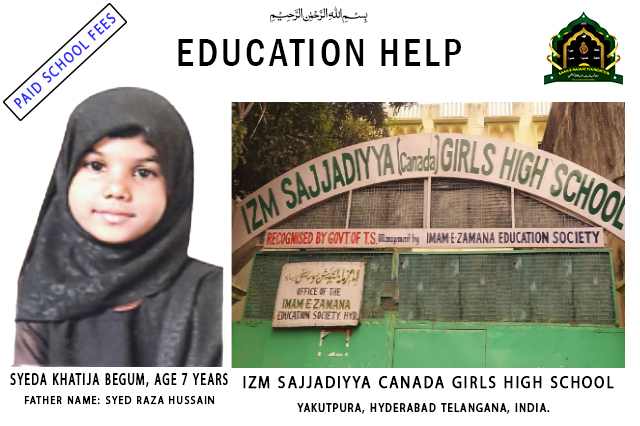
Education Help
Every Girl Deserve To Go To School
Education for a 7-year-old girl is about sparking curiosity, building confidence, and learning essential skills like reading, writing, and math. At this age, school helps girls make friends,
Read More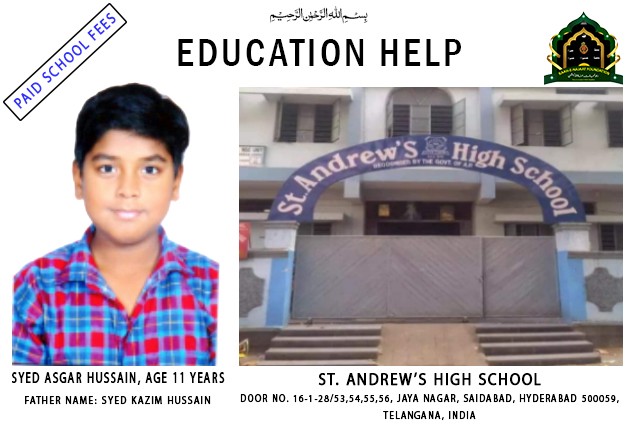
Education Help
Education Is The Key To Unlocking The Potential
Education is the most powerful tool for shaping a bright future. It provides knowledge, builds character, and helps us make smart decisions. Through learning, we gain confidence, develop new skill
Read More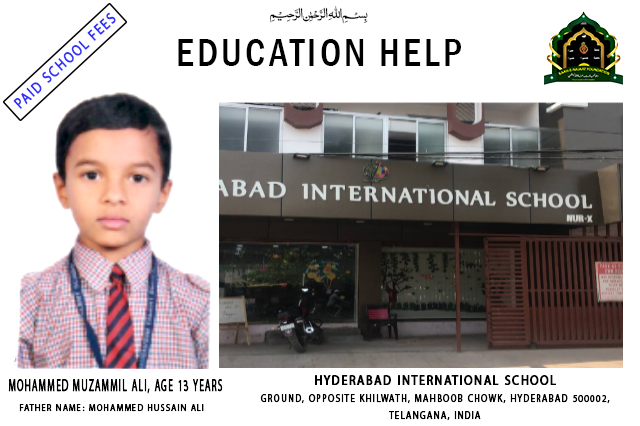
Education Help
Why Education Matters
Education is often described as the "manifestation of the perfection already in man", serving as the foundation for both personal growth and future success. For a 13-year-old, this stage of life i
Read More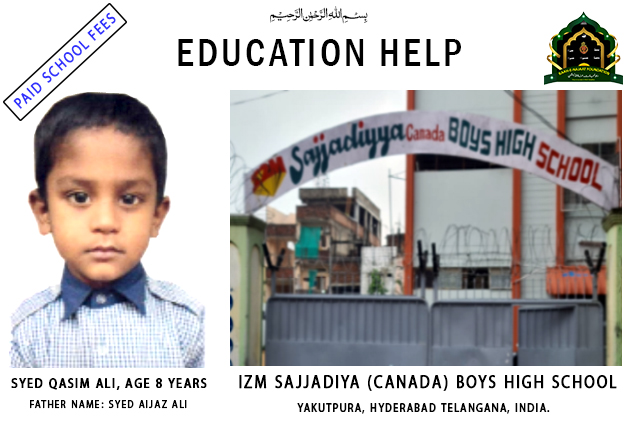
Education Help
Education is a magical journey for a young boy
Education is a magical journey for a young boy like Syed Qasim Ali. At eight years old, being in school is about more than just books; it is about discovering the world and finding out what he lov
Read More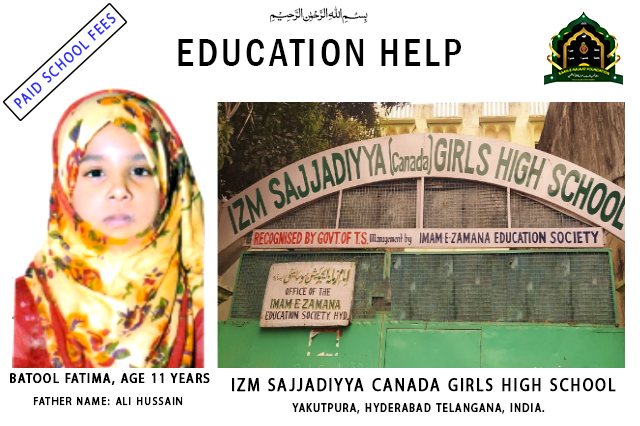
Education Help
Education is a powerful journey of self-discovery
Education is a powerful journey of self-discovery, especially for a young woman like Batool Fatima. At thirteen, Batool is at an exciting age where school transforms from simple lessons into a pla
Read More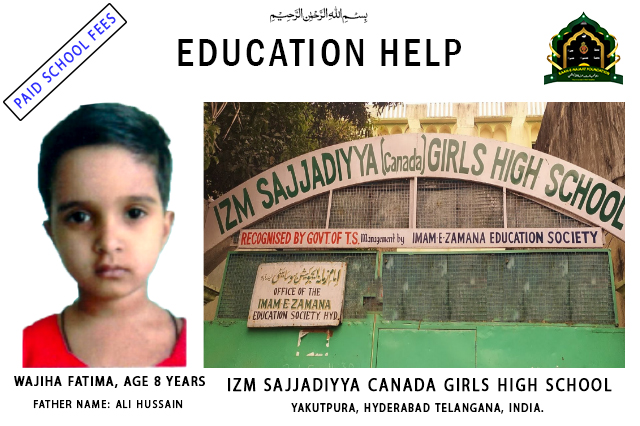
Education Help
Education is a bright and exciting adventure for a young girl
Education is a bright and exciting adventure for a young girl like Wajiha Fatima. At eight years old, school is a place where her imagination can soar and every lesson feels like discovering a new
Read More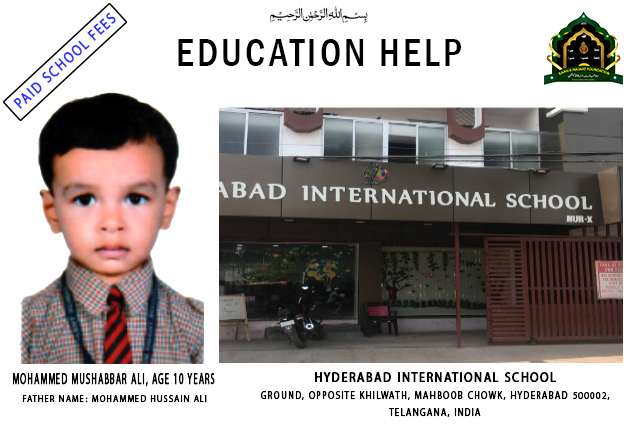
Education Help
Education is the bridge to a bright and successful future
For a ten-year-old boy like Mohammed Mushabbar, education is the bridge to a bright and successful future, and this journey is made even more special with the support of the Raah-E-Najaat Foundati
Read More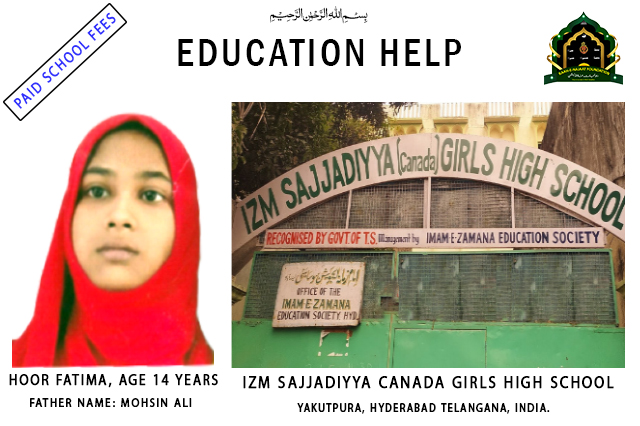
Education Help
The Significance of Education in Daily Living
Education for a 14-year-old girl is the foundation for a bright, empowered future, allowing her to dream big and achieve her goals. It builds confidence, teaches critical thinking, and ensures she can
Read More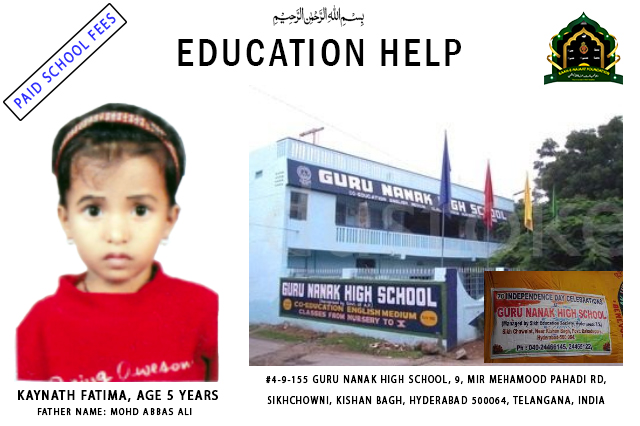
Education Help
The weight of school fees became a significant concern for her parents.
For five-year-old Kaynath Fatima, daughter of Mohd Abbas Ali, the start of her educational journey faced an unexpected hurdle when her family encountered a period of financial hardship. At an age
Read More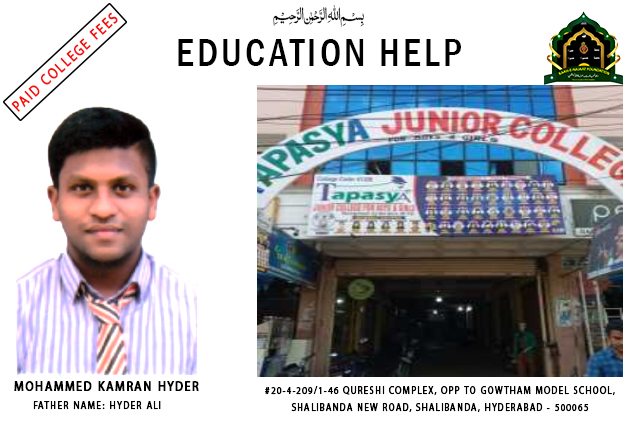
Education Help
This timely assistance is a testament to the foundation’s mission of empowering youth through education
For 16-year-old Mohd Kamran Hyder, son of Hyder Ali, the pursuit of higher education reached a critical crossroads when his family faced an unexpected period of financial hardship. At a pivotal ag
Read More